
 Business License
One-Stop Construction Equipment Sourcing from China: How to Consolidate Your Supply Chain and Reduce
A procurement director at a mid-sized Southeast Asian construction firm once described his monthly routine: seven different Chinese suppliers, seven email threads, seven wire transfers, and seven tracking numbers to monitor. When an excavator went down waiting for a hydraulic pump from Supplier #3 and an engine filter from Supplier #5, the downtime cost roughly $2,800 per day. Both parts came from Shandong — they just happened to sit in two different containers on two different vessels.
That kind of fragmentation is more common than many importers realize. It erodes margins through duplicated freight charges, administrative overhead from managing multiple vendor relationships, and equipment downtime that no single supplier feels responsible for. More international buyers are asking: can one supplier realistically cover the full range of construction equipment needs — whole machines, spare parts, engines, transmissions, and consumables — from a single point of coordination?
The answer depends on location, supply chain relationships, and quality management infrastructure. This article examines what a consolidated sourcing model actually requires, where it delivers the strongest results, and how to evaluate whether a single-source approach fits your procurement operation.
1. The Real Cost of Multi-Vendor Equipment Procurement
Most construction equipment importers do not start with a fragmented supply chain on purpose. They add suppliers one at a time — a wheel loader manufacturer here, a spare parts trader there, a separate engine components vendor when the first two cannot deliver. What looked like competitive sourcing quietly turns into a coordination burden.
The visible costs are easy enough to track. Each additional supplier means another MOQ to meet, another set of bank charges for international transfers, and another freight bill with its own timeline. But the hidden costs are often larger. When parts for the same machine arrive from different suppliers on different schedules, one delayed shipment can idle equipment worth hundreds of thousands of dollars.
Consider a fleet operation running roughly six to eight wheel loaders and three excavators across multiple job sites. If the operator sources chassis parts from one vendor, engine filters from another, and hydraulic seals from a third, the administrative workload can consume roughly 15 to 20 hours of staff time per month — reconciling invoices, tracking shipments, and resolving discrepancies that a single consolidated order would have avoided.
2. What One-Stop Sourcing Actually Means in Construction Machinery
The term "one-stop" gets used loosely in B2B trade. In construction equipment, it means something specific: a supplier that can deliver whole machines, branded spare parts, engine components, transmission parts, hydraulic consumables, and undercarriage wear items — from a single order, a single invoice, and ideally one consolidated shipment.
That breadth comes from deep relationships with multiple OEMs and their authorized parts networks — not from owning factories. A legitimate one-stop supplier is a supply chain integrator: someone maintaining active procurement channels with SDLG for wheel loaders, XCMG for graders, Weichai and Cummins for engine assemblies, and ZF for transmission components.
The value for the buyer is not just convenience. It is the ability to mix equipment categories in a single container load, reducing per-unit freight cost. For a 40-foot container carrying both a compact wheel loader and its spare parts kits, consolidated shipping can cut logistics costs by roughly 18% to 25% compared to splitting the same items across two separate shipments.
3. The Geographic Advantage: Why Location Shapes Your Supply Chain
Not every Chinese province is equal when it comes to construction equipment. Shandong occupies a distinctive position. The province hosts major manufacturing bases for SDLG in Linyi, SEM in Qingzhou, Shantui in Jining, and Weichai Power in Weifang — all within roughly 300 kilometers. A supplier based in the region can source directly from factory warehouses rather than through multi-tier distribution networks.
Linyi Weiman Import and Export Co., Ltd. operates from Linyi, a city at the intersection of several manufacturing clusters. Being physically close to the source changes procurement in practical ways: factory pickup happens within hours rather than days, quality inspections can be conducted at the manufacturer's facility before dispatch, and warranty claims route back to the original production line without involving intermediate distributors.
The logistics infrastructure also matters. Shandong's coastline provides access to multiple container ports — Qingdao, Lianyungang, Shanghai, and Tianjin — giving routing flexibility. When one port faces congestion, cargo can redirect to an alternative without adding weeks to delivery. For time-sensitive equipment orders, that optionality carries real financial value.
4. Whole Machines and Spare Parts: Why Bundling Matters
Many importers treat machine purchasing and spare parts procurement as separate activities — often handled by different departments. This creates a predictable problem: the machine arrives on time, but the first batch of consumable parts for routine maintenance arrives three weeks later, and the equipment sits idle during peak season.
A consolidated approach solves this by building the initial spare parts package directly into the machine order. The table below shows a typical bundling scenario for a standard wheel loader purchase.
| Item Category | Typical Quantity | Separate Order Lead Time | Bundled Order Lead Time |
|---|---|---|---|
| 5-ton Wheel Loader (SDLG LG956L or equivalent) | 1 unit | 25–35 days | 25–35 days |
| Engine oil filters (12-month supply) | 12 pieces | 15–25 days | Same shipment |
| Fuel filters (12-month supply) | 12 pieces | 15–25 days | Same shipment |
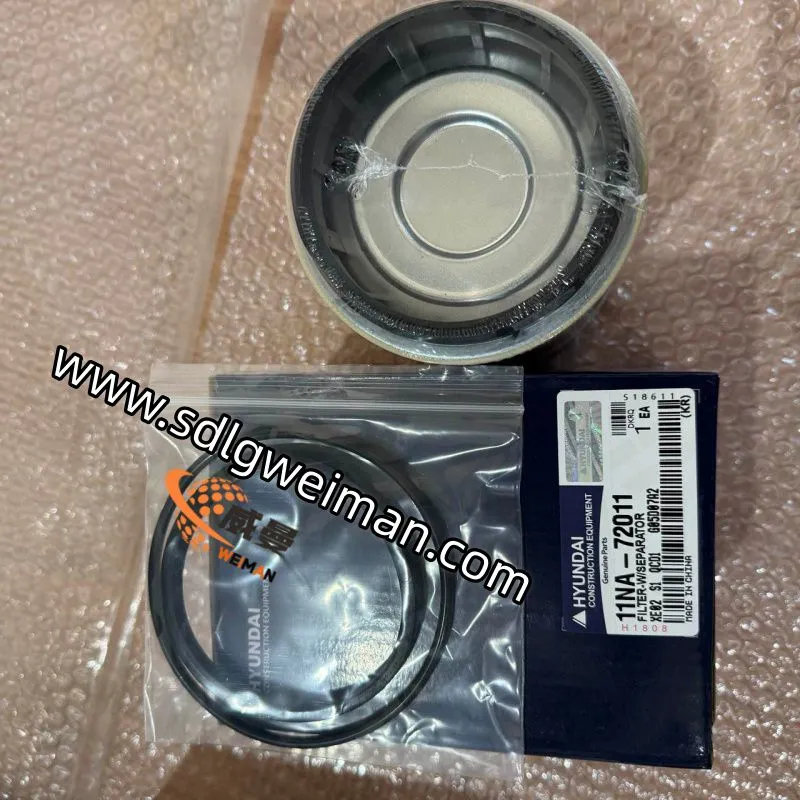
| Hydraulic filters | 6 pieces | 15–25 days | Same shipment |
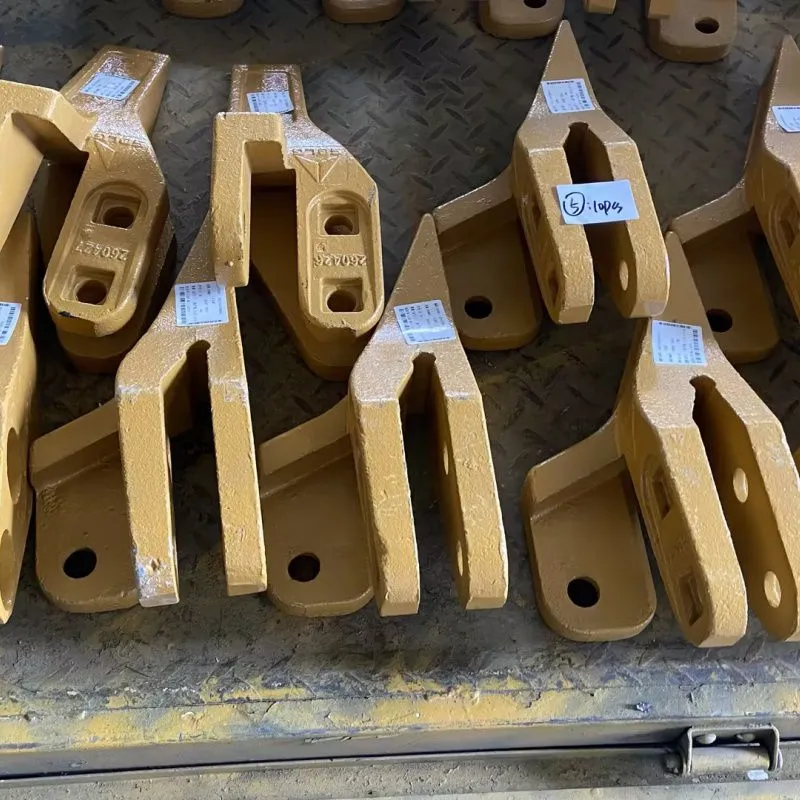
| Wear parts kit (bucket teeth, cutting edges, pins, bushings) | 1 set | 20–30 days | Same shipment |
| Estimated freight savings from consolidation | — | Baseline | Roughly 18%–25% lower |
The savings extend beyond freight. A single customs clearance, one set of import documents, and one bank transaction replace three or four of each. For buyers in markets with complex import procedures — parts of Africa, South America, and the Middle East — the administrative simplification alone can justify consolidation.
5. Engine and Powertrain Components: The Category That Demands the Most Care
Of all the categories in construction equipment procurement, engine parts carry the highest risk when sourced incorrectly. A non-genuine piston ring set or an unverified turbocharger can cause damage that far exceeds the cost of the part itself. This is why reputable suppliers draw a hard line on powertrain sourcing: genuine components, sourced through manufacturer-authorized channels with full batch traceability.
Weiman Import and Export maintains procurement relationships with Weichai Power, Cummins, Shangchai, Yuchai, and Yunnei — covering the engine platforms powering most Chinese-made construction equipment. When a buyer needs a Cummins NT855 fuel injector (4296808) or a Weichai two-stage oil pump (61500070030), the supply chain connects directly to the authorized parts network, not aftermarket channels of uncertain origin.
This matters because engine components are not interchangeable the way some chassis wear parts can be. A fuel injector's spray pattern, an oil pump's flow rate, and a piston ring's metallurgy are calibrated to specific engine models. Substituting a visually similar but unverified part can degrade performance gradually — fuel consumption creeps up, compression drops — and by the time the problem is identified, the repair cost is typically several times the price difference between the genuine and aftermarket component.
6. Transmission and Hydraulic Systems: The Overlooked Sourcing Challenge
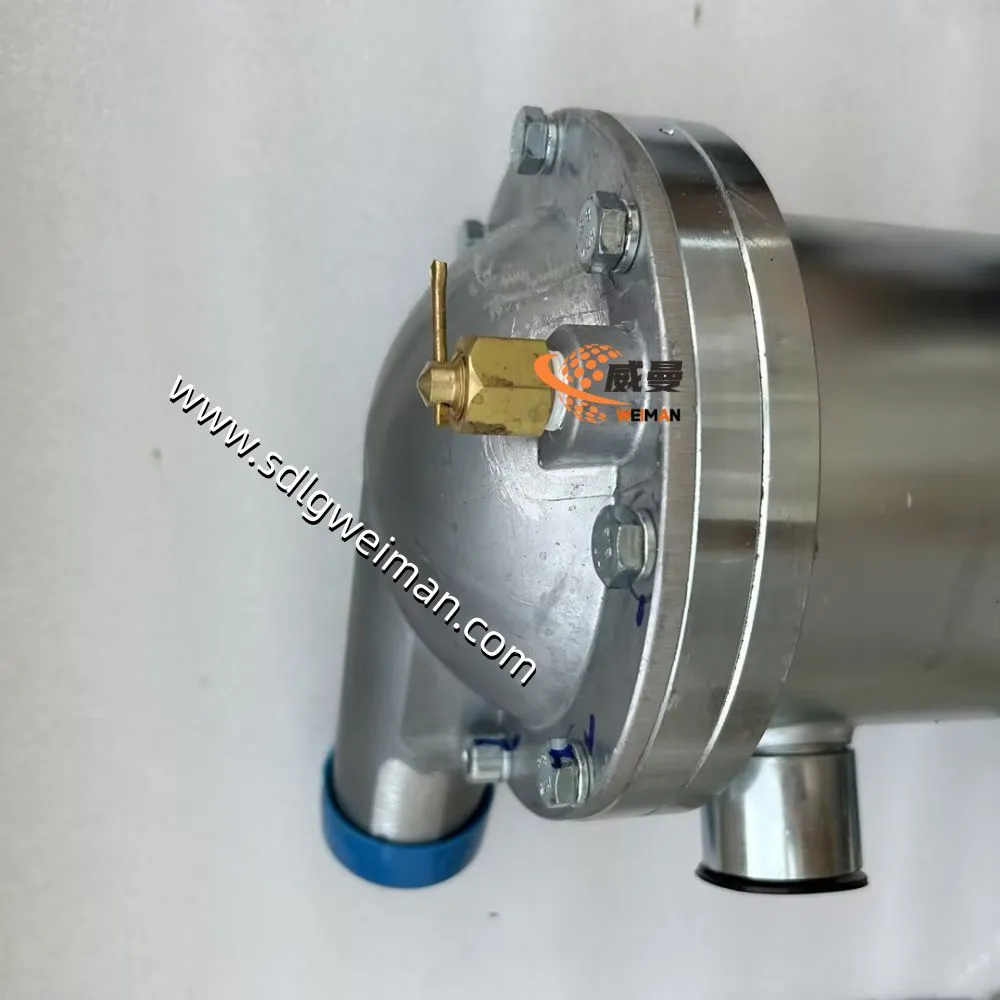
While engine parts get most of the attention, transmission and hydraulic components are often the harder categories to source efficiently. ZF transmissions power a wide range of Chinese wheel loaders, graders, and mining equipment, demanding precise manufacturing tolerances in service parts. Hydraulic pumps and control valves from different OEMs — SDLG, XCMG, Liugong — follow different specifications even when the machines serve similar functions.
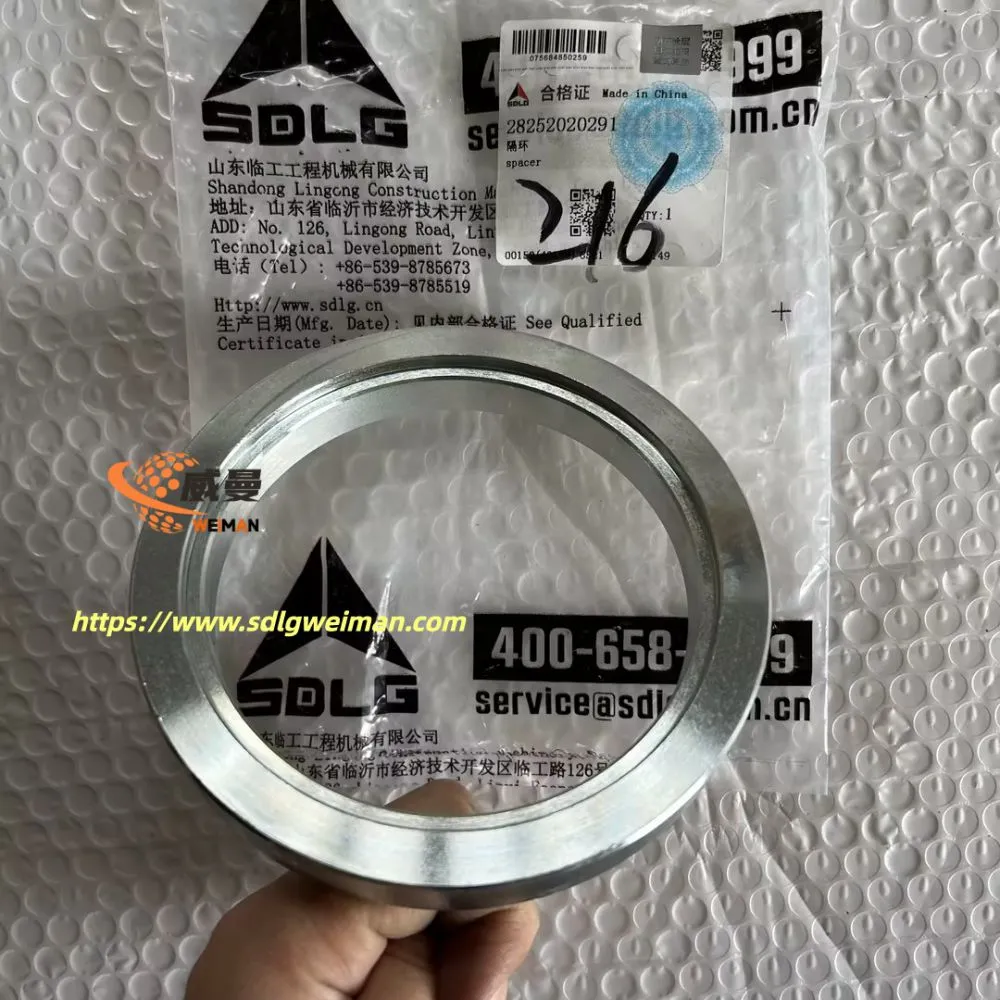
A multi-brand supplier handling SDLG graders alongside XCMG wheel loaders naturally accumulates cross-referencing knowledge. A hydraulic filter for an XCMG ZL50GN wheel loader (part number 803190368) and a transmission spacer for an SDLG G9180 grader (part number 28220003601) come from entirely different supply chains — yet both need to arrive at the same job site for the same maintenance cycle.
The compatibility risk compounds when equipment fleets are mixed-brand — the norm, not the exception. A typical infrastructure contractor in East Africa might run SDLG loaders, XCMG graders, and Hyundai excavators on the same project. If each brand's parts come from a different supplier, maintenance planning turns into logistics gymnastics. A single supplier covering all three brands collapses that complexity into one order cycle.
7. Quality Verification Across Multiple Product Categories
Handling multiple product categories under one roof creates a quality assurance challenge. A supplier shipping wheel loader chassis parts, Cummins engine components, and ZF transmission seals needs verification protocols that work across very different part types — from cast-iron brake drums weighing roughly 49 kilograms to precision fuel injectors with micrometer-level tolerances.
Linyi Weiman addresses this through a categorical inspection framework rather than a one-size-fits-all quality check. The approach groups products by risk profile and applies verification methods matched to each category.
| Product Category | Key Quality Risks | Verification Method |
|---|---|---|
| Engine components (injectors, pumps, piston kits) | Counterfeit substitution, tolerance deviation | OEM packaging verification, part number cross-check, batch traceability |
| Transmission & hydraulic parts (ZF seals, pumps, valves) | Material mismatch, seal degradation in storage | Visual inspection for storage condition, material certification review |
| Chassis wear parts (bucket teeth, cutting edges, pins) | Hardness inconsistency, dimensional error | Dimensional spot-check, surface hardness sampling |
| Filters & consumables (oil, fuel, air, hydraulic) | Shelf-life expiry, packaging damage during transit | Date-code verification, packaging integrity check |
The company operates under ISO 9001 quality management standards, with a sourcing team drawing on over 16 years of collective industry experience. Quality risks in construction equipment parts are rarely obvious at first glance — a counterfeit oil filter may look identical on the outside while using substandard filtration media that only reveals itself through accelerated engine wear months later.
8. Shipping Consolidation: Turning Logistics into a Cost Advantage
Freight is not a fixed cost importers simply accept — it responds directly to how orders are structured. The table below compares fragmented versus consolidated logistics for a representative quarterly order.
| Logistics Factor | Fragmented (4 Suppliers) | Consolidated (1 Supplier) |
|---|---|---|
| Container utilization | 4 LCL shipments, roughly 60%–70% average fill | 1 FCL or optimized LCL, roughly 85%–95% fill |
| Documentation sets (BL, invoice, packing list, CO) | 4 complete sets | 1 complete set |
| Customs clearance entries | 4 separate entries | 1 entry |
| Port handling charges | Charged 4 times | Charged once |
| Estimated total logistics cost (quarterly) | Baseline | Roughly 20%–30% lower |
| Delivery time spread (first to last arrival) | Typically 2–4 weeks | Single arrival date |
Beyond the direct numbers, consolidation delivers a planning advantage that is harder to quantify. When every part for a scheduled maintenance cycle arrives in a single container, the maintenance team can plan one downtime window. When parts trickle in over two to four weeks from separate shipments, the machine may be taken out of service repeatedly — each time costing production hours that could have been avoided.
Weiman ships through Qingdao, Shanghai, Tianjin, and Lianyungang ports, serving markets across Southeast Asia, Africa, the Middle East, South America, and Eastern Europe. The multi-port option lets container routing be optimized by destination rather than locking into a single departure point with a suboptimal sailing schedule.
9. Making the Transition: What a Consolidated Sourcing Model Looks Like in Practice
Make the transition gradually: start with a trial order covering two or three product categories — a wheel loader plus its 12-month filter kit and a set of wear parts — to test the supplier's coordination capability. If that trial delivers on time with correct documentation and consistent quality, fold in additional categories over subsequent orders.
We have seen this transition play out across different regions. A construction equipment dealer in Southeast Asia had been sourcing SDLG and XCMG spare parts from two separate trading companies for roughly three years. Each supplier was reliable within its narrow category, but staggered delivery schedules were costing roughly 12 to 15 days per quarter. After consolidating both brand lines through Linyi Weiman Import and Export, the dealer brought quarterly delivery spread to zero — all parts now arrive in one container — and reduced per-unit freight cost by an estimated 22%.
A mining support contractor in Africa faced a similar challenge with Cummins engine overhaul kits and SDLG chassis consumables arriving from two different Chinese provinces. Customs clearance for each separate shipment consumed roughly eight to ten working days. After consolidating through a single Shandong-based supplier, the contractor cut annual shipments from four to two — each container now carrying both engine and chassis items — and freed up roughly 16 to 20 working days per year from customs processing alone.
The key variable when evaluating consolidation is not price per part — it is total landed cost including freight, customs, administrative overhead, and downtime from staggered deliveries. A supplier that charges 3% to 5% more per unit but consolidates shipping and eliminates multi-vendor coordination can deliver a lower total landed cost than the cheapest individual line-item prices suggest.
10. Frequently Asked Questions
10.1 Can one supplier really cover both whole machines and spare parts for multiple brands?
Yes, provided the supplier is geographically positioned near manufacturing clusters and maintains active relationships with multiple OEM parts networks. The capability comes from being embedded in the supply chain ecosystem, not from owning factories. A supplier based in Shandong, within roughly 300 kilometers of SDLG, SEM, Shantui, and Weichai production bases, can source whole machines from factory warehouses while pulling genuine spare parts from authorized distribution channels. The key is verifying that the supplier draws from OEM-authorized networks — particularly for engine, transmission, and hydraulic parts where counterfeit risk is highest.
10.2 Is consolidated sourcing cheaper than buying from multiple specialized suppliers?
On a pure line-item price comparison, a specialized single-category supplier may quote a marginally lower unit price. But total landed cost — the number that actually matters — typically favors consolidation. Freight savings alone, from filling containers more efficiently and reducing LCL shipments, commonly range from 18% to 30%. Add the elimination of duplicated customs entries and fewer staff hours spent coordinating multiple vendors, and the equation shifts decisively toward consolidation for all but the most narrowly focused purchasing operations.
10.3 How do I verify that a one-stop supplier is selling genuine OEM parts and not aftermarket copies?
Start by asking for OEM packaging photos with visible part numbers and batch codes before shipment. A legitimate supplier should be able to provide these without hesitation. Second, request traceability documentation — genuine OEM parts carry batch numbers that can be verified against manufacturer databases for high-value components like fuel injectors and turbochargers.
Third, place a small trial order with a mix of part categories and verify the received goods independently. Consistent part numbering, proper OEM packaging seals, and matching batch codes across items in the same category are strong indicators of a genuine supply chain. Suppliers operating under ISO 9001 certification will have documented procurement and inspection procedures that add another layer of verification.
10.4 What is the minimum order size that makes consolidated sourcing worthwhile?
There is no absolute minimum, but the consolidation benefits become economically meaningful once the combined order fills roughly half a 20-foot container or more. Below that threshold, the freight savings are smaller and may not offset any unit price differences.
A practical starting point is a mixed order containing one compact piece of equipment — such as a mini loader or a small wheel loader — plus its associated consumable parts for a 6- to 12-month operating period. This combination typically fills enough container volume to generate real freight efficiency while keeping the initial commitment manageable. Buyers can scale up from there as the supplier relationship proves itself over successive order cycles.

Contact Us
Recommended Products
-
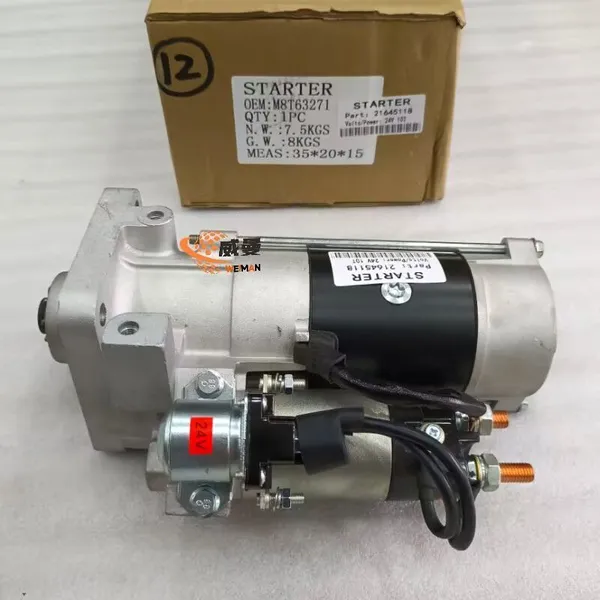
 Original Volvo 21645118 Starter for Volvo EC135B EC140B Excavator Spare Parts in Stock.US$ 6MOQ: 1 Unit
 -
Genuine 4110001007158 Kickstarter For SDLG Wheel Loader, Hot Sale OEM PartUS$ 15 - 25MOQ: 1 Piece
-
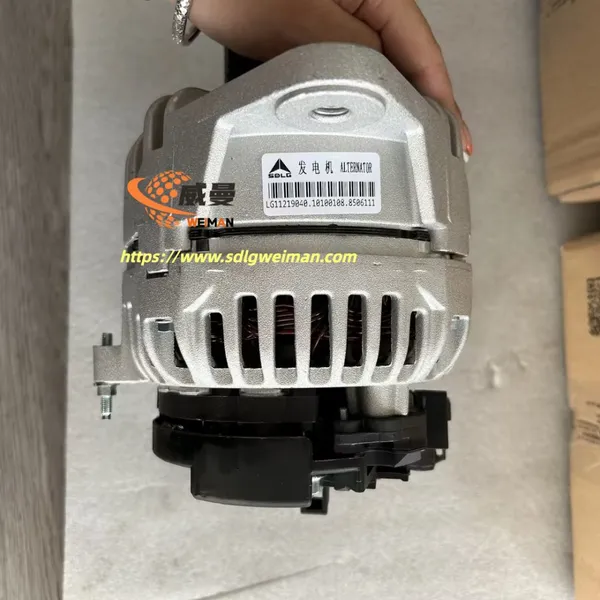
ORIGINAL SDLG ALTERNATOR 11219040 APPLY FOR SDLG MOTOR GRADER G9180 G9190 G9200US$ 100 - 200MOQ: 1 Unit
-
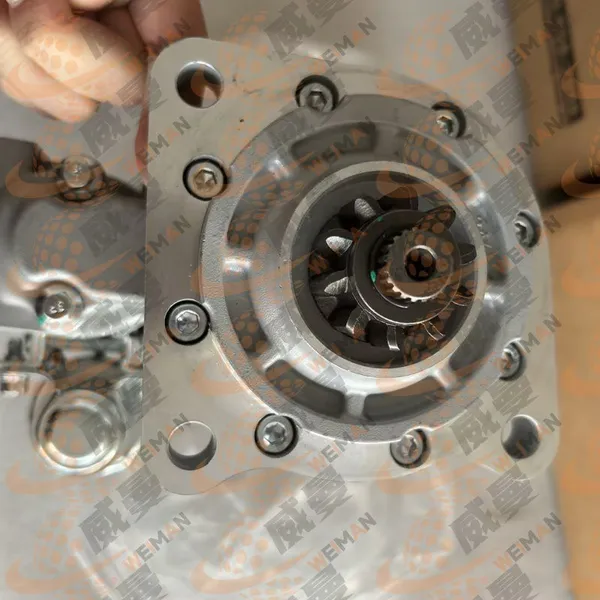
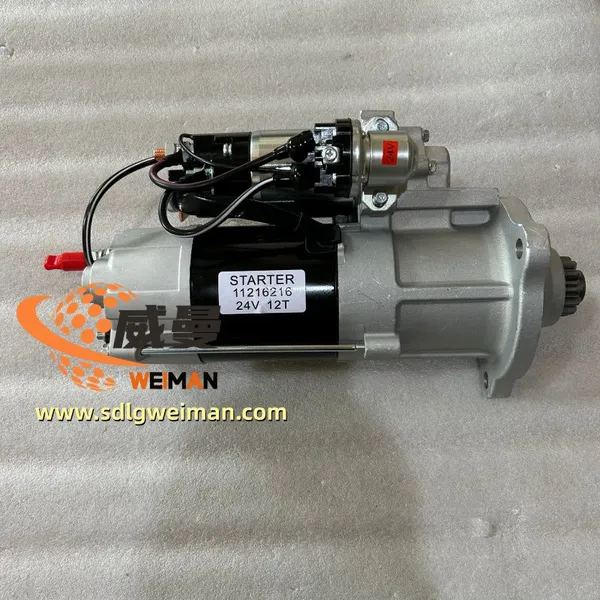
ORIGINAL SDLG Starter Motor 11216216 Excavator PartsUS$ 10 - 80MOQ: 1 Piece
-
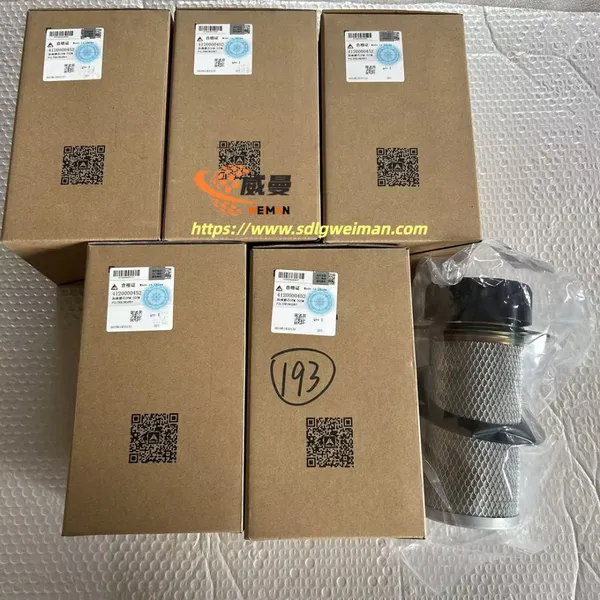
ORIGINAL SDLG FILTER INSERT 4120000452 APPLY FOR SDLG MOTOR GRADER G9180 G9190 G9200US$ 100 - 200MOQ: 1 Unit
-
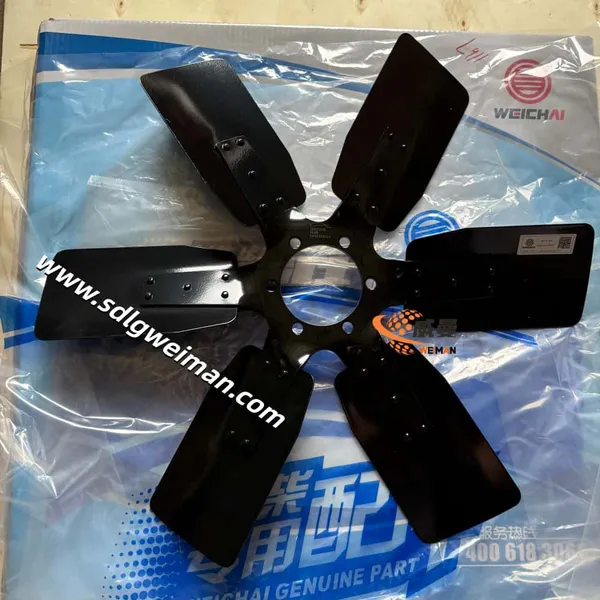
WEICHAI 13021190 FAN for SDLG WHEEL LOADERUS$ 86.57 - 91.04MOQ: 10 Units
-
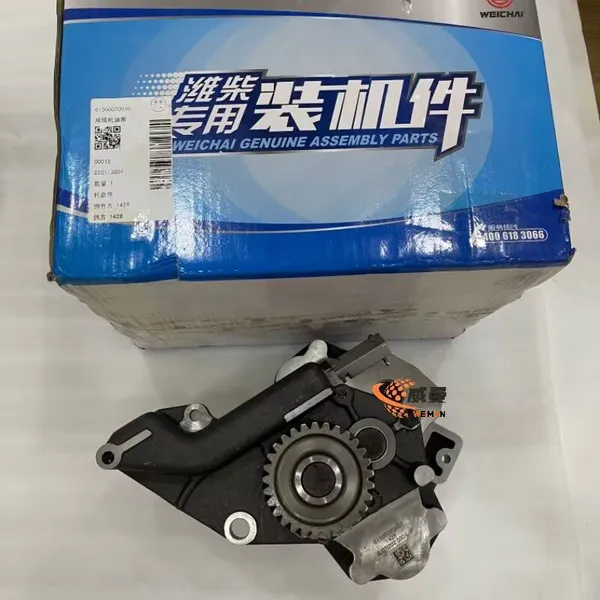
Original Weichai 61500070030 Two-stage Oil Pump for Machine With Good PriceUS$ 86.57 - 91.04MOQ: 10 Units
-
Original WEICHAI 120000506 4120006350 Air Booster Pump for Wheel Loader Spare Parts in Stock.US$ 6MOQ: 1 Unit
-
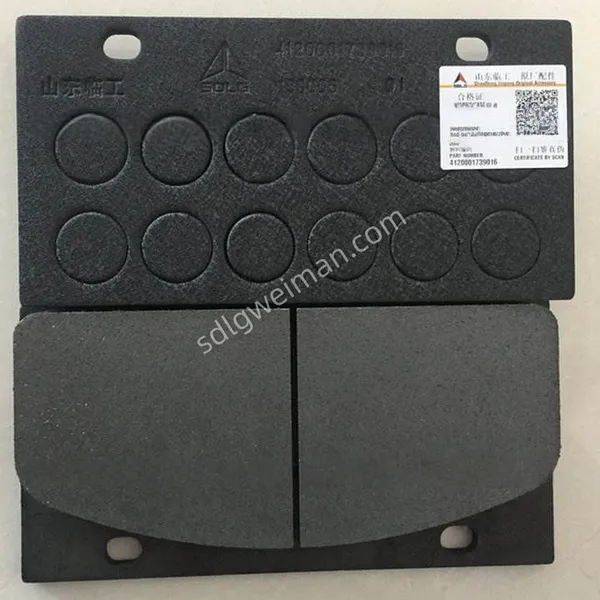
4120001739016 Brake Pads Spare Part for LG936L Wheel Loader in StockUS$ 10 - 100MOQ: 1 Unit
-
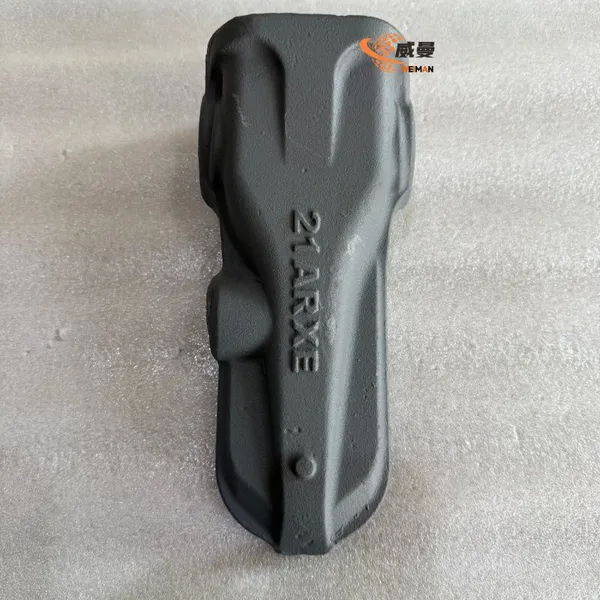
Volvo VOE14732382 41GPE Standard Digging Tooth For EC300 EC350 ExcavatorUS$ 29.6 - 30MOQ: 1 Unit
-
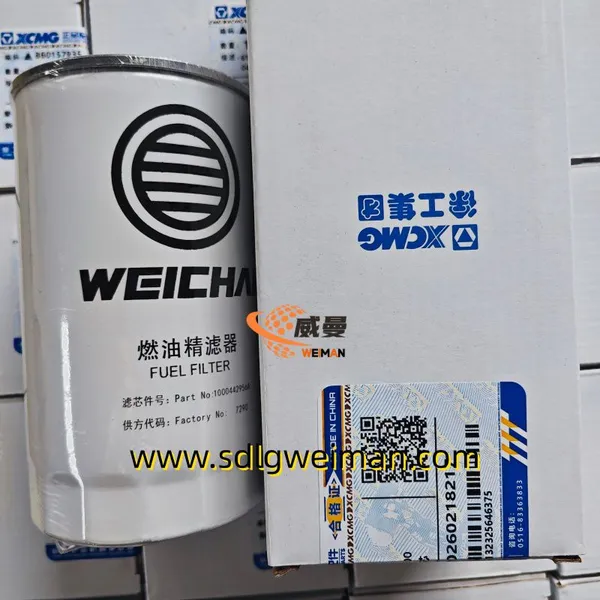
Original XCMG Fuel Filter 860133745 860157935 For ZL50GN Wheel Loader Engine PartsUS$ 3.3 - 3.5MOQ: 1 Unit
-
Original SDLG 29270010151 Shim for Wheel Loader Spare Parts in Stock.US$ 6MOQ: 1 Unit
-
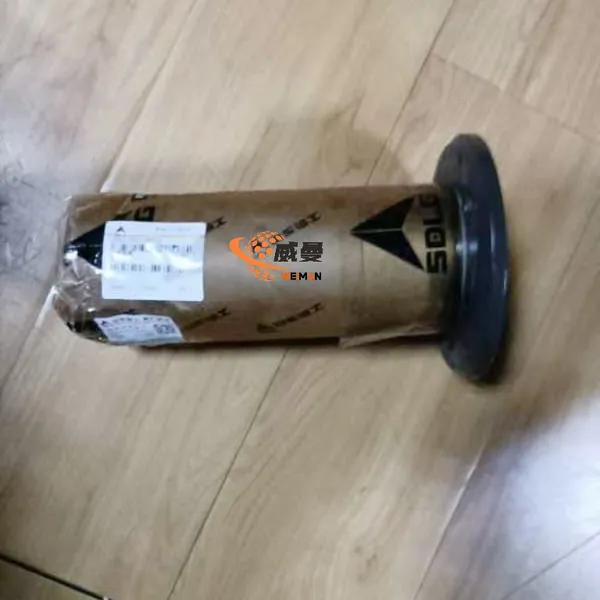
Original SDLG Pin 29270010071 for Wheel Loader Spare Parts in Stock.US$ 6MOQ: 1 Unit
-
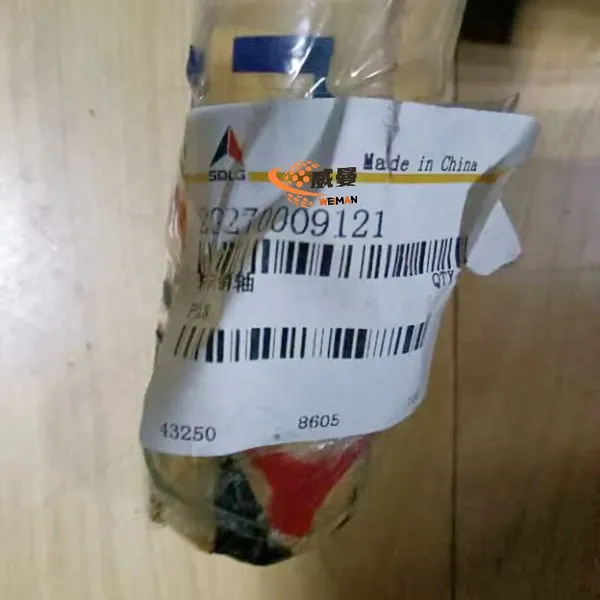
Original SDLG Pin 29270009121 for Wheel Loader Spare Parts in Stock.US$ 6MOQ: 1 Unit
-
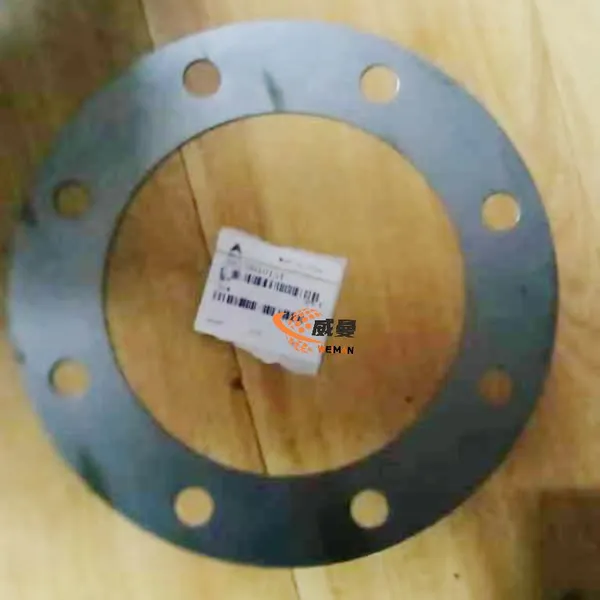
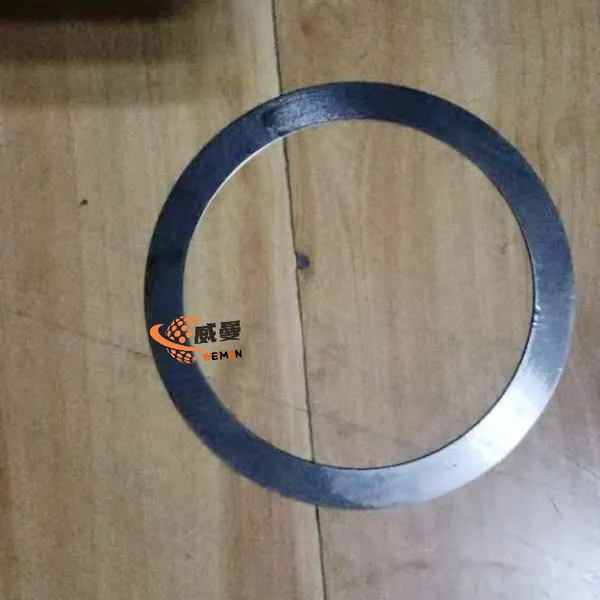
Original SDLG 29250017711 SHIM for Wheel Loader Spare Parts in Stock.US$ 6MOQ: 1 Unit
-
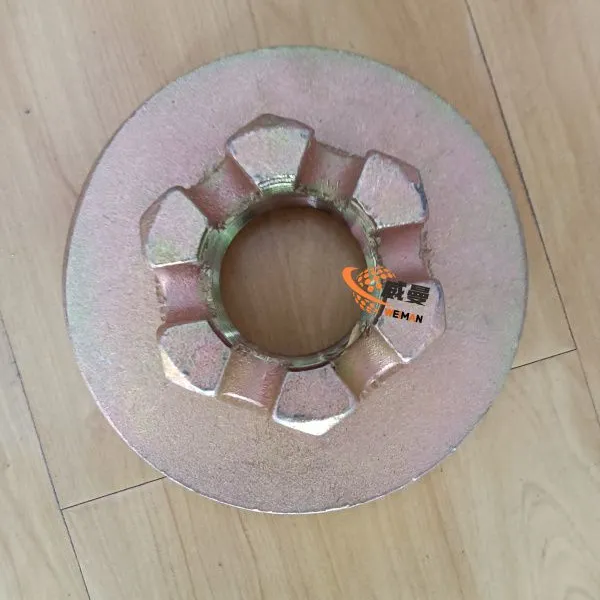
Original SDLG Nut 29250017691 for Wheel Loader Spare Parts in Stock.US$ 6MOQ: 1 Unit
-
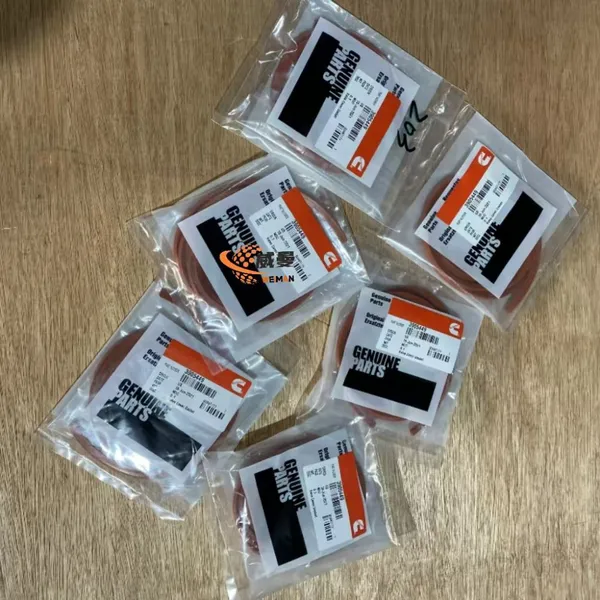
Original Cummins C3905449 Valve Chamber Cover Gasket for Engine Spare Parts in Stock.US$ 6MOQ: 1 Unit
-
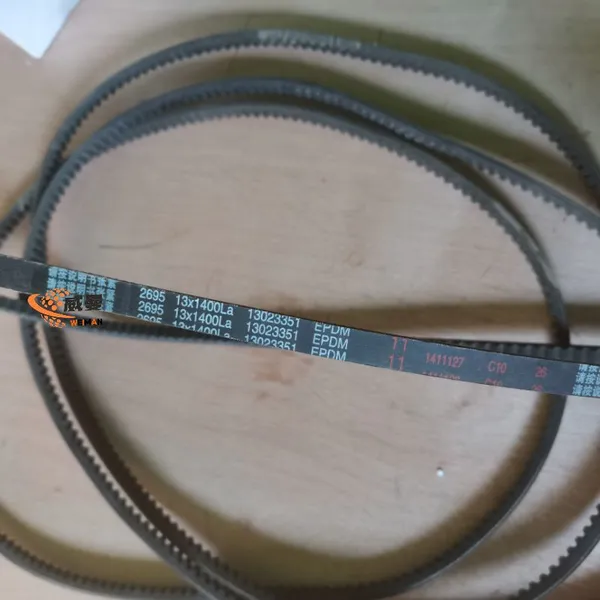
Original XCMG 860139616 13023351 V-belt for Wheel Loader Spare Parts in Stock.US$ 6MOQ: 1 Unit
-
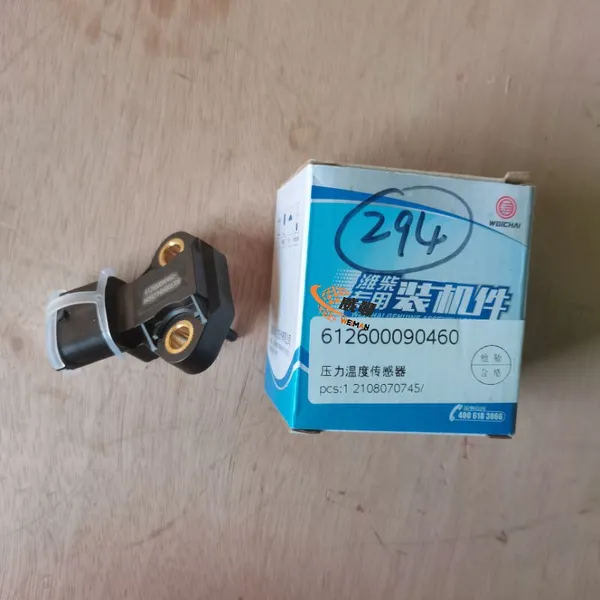
Original WEICHAI 860139617 612600090460 Pressure and Temperature Sensor for Wheel Loader Spare Parts in Stock.US$ 6MOQ: 1 Unit
-
Original XCMG 860145955 1000736512 Oil Filter for Wheel Loader Spare Parts in Stock.US$ 6MOQ: 1 Unit